Search how much to replace a roof and you will get a national calculator that spits out a number built from averages across all fifty states. That is precisely why homeowners do not trust the result. The cost to replace a roof in Weber, Davis, or Summit County is shaped by local labor, local material availability, steep-pitch prevalence, and code requirements for ice barrier that much of the country does not have. This guide gives you real per square foot ranges for northern Utah, the five variables that move your number the most, and a plain explanation of why two quotes on the same house can differ by eight thousand dollars.
QUICK ANSWER
Replacing an asphalt shingle roof typically costs $6 to $12 per square foot installed, putting a 2,000-square-foot roof between $12,000 and $24,000. Standing seam metal runs $12 to $20 per square foot. Final pricing depends on roof pitch, layers removed, decking repairs, and whether flashing and underlayment need replacing.
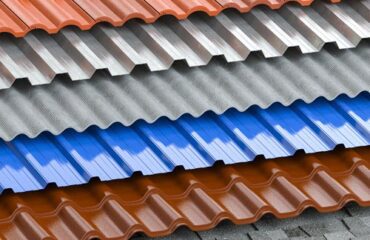
Cost per square foot by material, with northern Utah ranges
Roofers price in squares, not square feet. One roofing square equals 100 square feet of roof surface, and your roof surface is always larger than your home’s footprint because of pitch and overhangs. If that unit is new to you, our explainer on what a roofing square is is a two minute read that will make every quote you receive easier to compare.
- Three-tab asphalt: $4.50 to $7 per square foot. The budget option. We rarely recommend it here, because the money saved up front is usually given back in a shortened service life under our UV and snow load.
- Architectural asphalt: $6 to $12 per square foot. The default for most Wasatch Front homes. A 2,000 square foot roof lands between roughly $12,000 and $24,000 installed, with the middle of that range being the most common outcome on a straightforward job.
- Standing seam metal: $12 to $20 per square foot. Roughly $24,000 to $40,000 on that same roof. Higher up front, two to three times the service life, and materially better in snow country. See our metal roofing page for system options.
- Exposed fastener metal panel: $8 to $14 per square foot. A middle path, common on outbuildings, shops, and agricultural structures across Weber and Morgan counties.
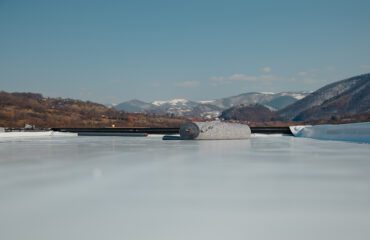
- TPO or single-ply on low slope: $8 to $14 per square foot. Used on flat porch roofs, additions, and commercial sections. Priced by seam and detail complexity as much as by area.
One important caveat: these are installed prices including tear-off, underlayment, ice barrier, flashing, disposal, and cleanup. A quote that is dramatically lower is usually missing at least one of those lines.
The five variables that move your number the most
- Pitch. A walkable 4:12 roof and a 10:12 roof of identical area are not the same job. Steep work requires jacks, staging, and harnesses, and slows every phase. Steep pitch can add 20 to 40 percent to labor.
- Existing layers. Every layer removed is more labor hours and more dumpster volume. A second layer commonly adds $1,000 to $2,500 on an average home. Utah code generally allows no more than two layers, so a two-layer roof always means a full tear-off.
- Decking condition. The one line no honest estimator can fix in advance, because the deck is hidden until tear-off. Reputable quotes state a per sheet price for replacement, often $75 to $150 installed. Ask for that number in writing before you sign.
- Roof complexity. Valleys, dormers, skylights, chimneys, and wall transitions each require flashing detail. Two houses with the same square footage can differ by thousands based on geometry alone. If you want to understand why, our piece on roofing flashing covers where the labor actually goes.
- Accessibility. Tight lots, steep driveways, no dumpster access, and long carry distances all add hours. This is a real factor on the Ogden bench and in older Bountiful neighborhoods.
What the number does not include, and the add-ons that surprise people
Even a well built estimate has items that sit outside the base price. Knowing them in advance keeps the final invoice from feeling like a moving target.
- Decking replacement. Priced per sheet because nobody can see the deck until tear-off. Budget for two to six sheets on an older home even if none are expected.
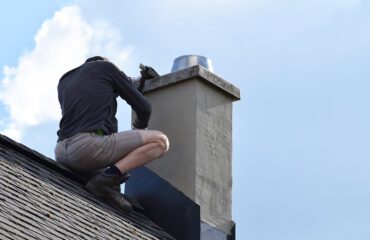
- Chimney and skylight rebuild or reflash. Reflashing is normally included. Rebuilding a deteriorated chimney crown or replacing a failed skylight unit is separate work.
- Gutter replacement. Older aluminum gutters frequently do not survive tear-off intact, and it is far cheaper to replace them while the crew is on site. Our gutter installation page has pricing context.
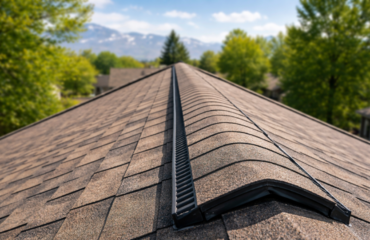
- Ventilation correction. Adding ridge vent or opening blocked soffit intake is often the right call during a replacement and is sometimes quoted separately.
- Fascia and soffit repair. Rot at the eaves is common on north facing walls here and is only visible once the drip edge comes off.
- Permit fees. Small, but they vary by jurisdiction across Weber, Davis, Morgan, and Summit counties and should be stated rather than assumed.
How pricing shifts across Weber, Davis, and Summit counties
Local is not a marketing word on a roofing estimate. Three real factors move pricing meaningfully within a fifty mile radius.
- Elevation and snow load requirements. Summit County jobs frequently carry heavier ice and water shield coverage, more robust underlayment specification, and snow retention on metal. That is real material and real labor, and it is why a Park City quote and a Clearfield quote on identical square footage are not comparable.
- Access and lot conditions. Steep driveways, canyon properties, tight older lots in Ogden’s historic neighborhoods, and long carry distances all add labor hours that never show up as a line item but absolutely show up in the total.
- Housing stock and pitch. Older Ogden and Bountiful homes tend toward steeper pitches and more complex geometry than newer Davis County subdivisions. A 1920s home with dormers and multiple valleys can cost 25 percent more than a 2005 tract home of the same size.
If you are comparing what a neighbor paid, compare houses rather than square footage. We work across all of these communities, listed on our service areas page.
Why two quotes on the same house differ by thousands
This is the single most common question we get, and the answer is almost never that one company is greedy. It is that the two documents describe different work.
- Tear-off versus overlay. Laying new shingles over the old layer is cheaper by several thousand dollars and hides every deck problem underneath. It is legal in some cases. It is rarely a good idea here.
- Underlayment specification. Fifteen pound felt and premium synthetic underlayment are not comparable products, and the ice and water shield coverage at eaves and valleys varies widely between bids.
- Flashing. Reusing old step flashing and chimney counter flashing saves real money and is the origin of a large share of leaks two years later. Confirm that the quote says new.
- Ventilation work. One quote may include correcting intake and exhaust ventilation, which protects both the shingles and your warranty. See our overview of roof vent types for what should be there.
- Warranty tier. Manufacturer system warranties require certified installation and specified components. That coverage has a cost, and it is a genuine difference in value.
- Disposal, permits, and cleanup. Sometimes itemized, sometimes buried, occasionally left out entirely so the bottom line looks better.
The fix is simple: ask every bidder for an itemized estimate on the same scope. Once the line items line up, the price differences usually shrink to something reasonable and explainable.
Insurance funded versus out of pocket replacement
A large share of northern Utah roof replacements are paid partly or fully by a homeowners claim after hail or a wind event. The financial picture is completely different in that case, and so is the process.
- Out of pocket. You control material selection, timing, and scope. You are also free to phase the work, replacing the worst slope now and the rest next season, though a full replacement is almost always cheaper per square than two partials.
- Insurance funded. You pay your deductible; the carrier pays the balance based on their scope. Upgrades beyond like-for-like come out of your pocket. Your policy type matters enormously: replacement cost value pays to rebuild new, actual cash value pays depreciated value and can leave a large gap.
Storm damage is a genuinely different path with its own rules and deadlines. Our post on whether homeowners insurance covers roof damage from snow or wind covers the coverage side in detail.
If neither route covers the timing you need, financing is common and straightforward on a project this size. We break down the realistic options in how to pay for a new roof, and our financing page shows what we offer directly.
What a suspiciously low bid usually signals
If one number comes in 30 percent under the others, it is worth understanding why before you celebrate. In our experience it traces to one of these:
- An overlay quoted where the others quoted full tear-off.
- Felt underlayment instead of synthetic, and minimal or no ice and water shield at the eaves.
- Reused flashing, vents, and pipe boots.
- No permit, which becomes your problem at resale.
- No general liability or workers compensation coverage, which becomes your problem the moment someone is hurt on your property.
- A storm chasing operation working out of state after a hail event, with no Utah address to return to when the warranty is called on.
Ask for the license number, a certificate of insurance naming you, and a written scope. Any established local company will hand all three over without hesitation.
Getting a number you can actually plan around
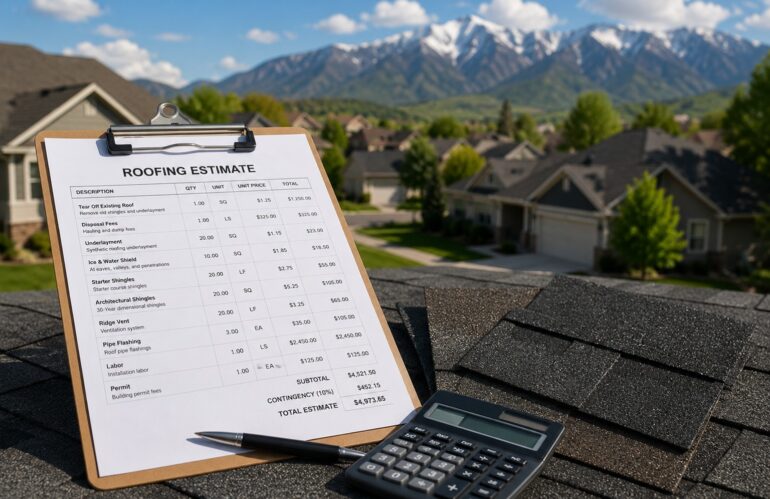
A useful estimate is itemized, measured rather than eyeballed, and specific about the unknowns. It should state material and manufacturer, underlayment and ice barrier coverage, flashing scope, ventilation, decking replacement price per sheet, disposal, permit, warranty terms, and a scheduling window. Get that on paper from two or three local companies and you will be able to compare them honestly in ten minutes.
Get a Free Itemized Written Estimate
Frequently Asked Questions
How much does it cost to replace a roof in Utah?
Most northern Utah asphalt shingle replacements run $6 to $12 per square foot installed, or roughly $12,000 to $24,000 on a 2,000 square foot roof. Standing seam metal runs $12 to $20 per square foot.
How much is a roof replacement for a 1,500 square foot house?
Remember that roof area exceeds floor area. A 1,500 square foot home often has 1,800 to 2,000 square feet of roof, putting a typical architectural shingle replacement in the $11,000 to $22,000 range depending on pitch and complexity.
How much does a metal roof cost compared to shingles?
Metal typically costs two to three times more up front, at $12 to $20 per square foot versus $6 to $12 for architectural asphalt. It also lasts two to three times longer, so cost per year of service is often comparable or better.
Is a metal roof cheaper than shingles?
Not up front. Over a full service life it frequently is, since one metal roof can outlast two or three shingle roofs. Our metal versus shingle comparison walks through the full tradeoff.
Why is my roof quote so much higher than the online calculator?
National calculators use national averages and rarely account for steep pitch, multiple existing layers, ice barrier requirements, decking repair, or flashing work. Those are exactly the items that drive real cost in northern Utah.
Does insurance pay for a full roof replacement?
It can, when damage is from a covered peril such as hail or wind and the damage is widespread enough that repair is not practical. You pay your deductible, and whether you receive full replacement cost or depreciated value depends on your policy.