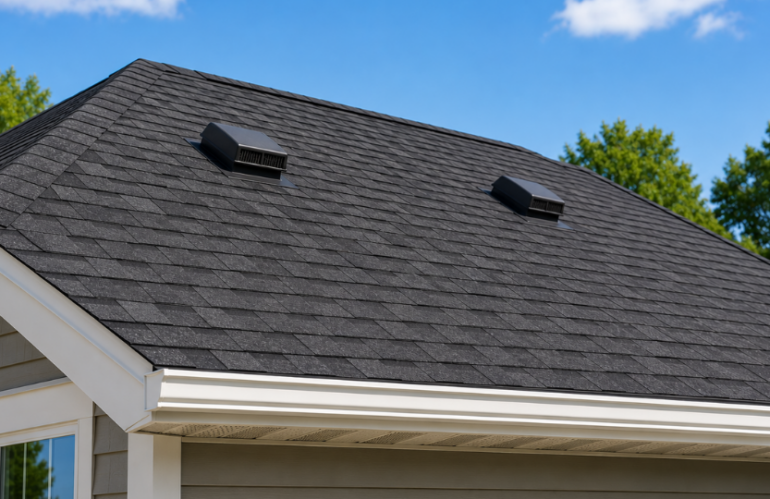
Proper roof ventilation plays an important role in protecting your home from excess heat and moisture buildup. Understanding the different types of roof vents can help homeowners improve airflow, support energy efficiency, and extend the lifespan of their roofing system.
There are several roof ventilation types designed to manage attic airflow in different ways. Each system serves a specific purpose, and choosing the right combination depends on the roof design, climate, and overall ventilation needs of the home.
Why Roof Ventilation Matters
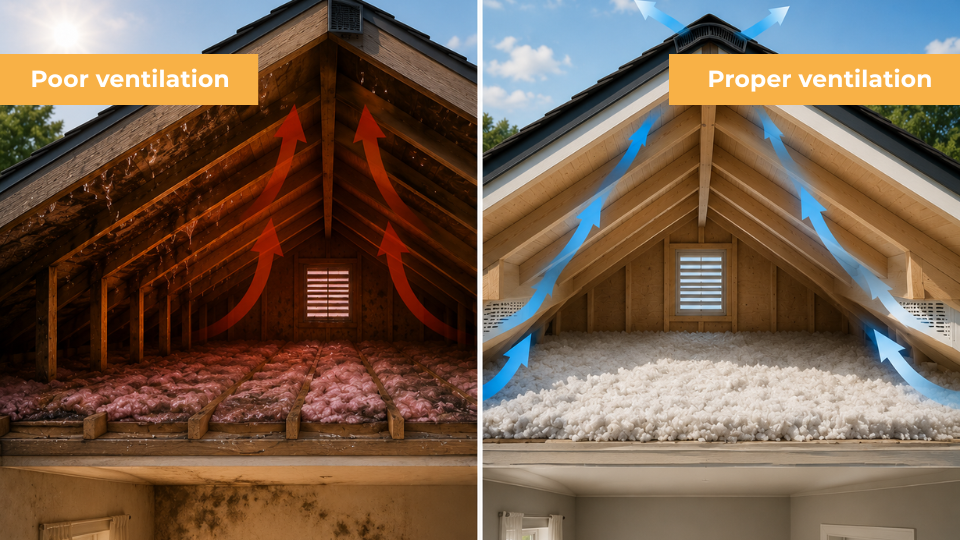
A well-ventilated roof helps regulate attic temperatures and reduce trapped moisture throughout the year. Without proper airflow, heat can build up during warmer months, while moisture and condensation can accumulate during colder seasons.
Poor ventilation may contribute to:
- Higher energy costs
- Mold or mildew growth
- Premature aging of roofing materials
- Ice dam formation in colder climates
- Reduced overall roof performance
Proper ventilation helps maintain balanced airflow by allowing fresh air to enter the attic while pushing warm, humid air out. In climates like Utah, where homes experience both intense summer heat and colder winter conditions, proper roof ventilation becomes especially important for maintaining attic airflow and protecting roofing materials year-round.
Understanding the Main Types of Roof Vents
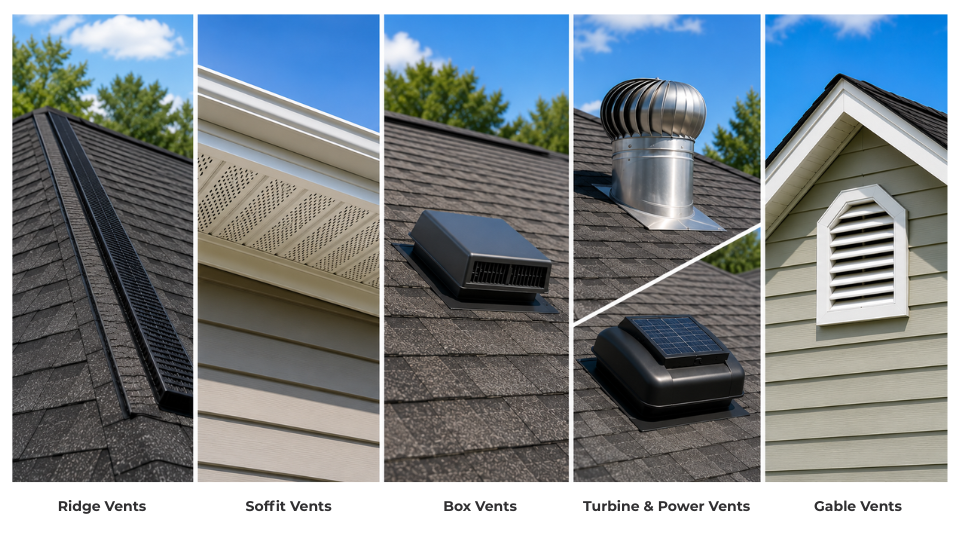
There are several different types of roof vents commonly used in residential roofing systems. Most ventilation systems rely on a combination of intake and exhaust vents to create continuous airflow through the attic.
Ridge Vents
Ridge vents are installed along the peak of the roof and allow warm air to escape naturally from the attic. These vents are considered one of the most effective passive ventilation options because they run continuously across the roof ridge.
Among the most common roof vents types, ridge vents are popular for their low-profile appearance and ability to provide consistent airflow when paired with soffit vents.
Soffit Vents
Soffit vents are installed underneath the roof overhang, or eaves, and serve as intake vents. Their purpose is to pull cooler outside air into the attic to support balanced ventilation.
These roof ventilation types work best when combined with exhaust systems such as ridge vents, helping maintain steady airflow throughout the attic space.
Box Vents (Static Roof Vents)
Box vents, also called static vents, are fixed vents installed near the upper portion of the roof. Unlike continuous ridge vents, multiple units are usually required to ventilate the attic effectively.
These types of roofing vents are commonly found on residential homes and are often used when ridge vents are not suitable for the roof design.
Turbine and Power Roof Vents
Turbine vents use wind power to help pull hot air out of the attic. As the turbine spins, it increases airflow and supports ventilation naturally.
Power vents, on the other hand, use electric or solar-powered fans to move air through the attic. These systems can provide strong airflow and are often installed in homes with ventilation challenges or high attic heat.
Homeowners researching different type of roof vents often compare these options based on efficiency, maintenance, and energy use.
Gable Vents
Gable vents are installed on the exterior walls near the roof peak and allow air to move in and out of the attic from the sides of the home.
While they can improve airflow, they are generally considered supplemental ventilation rather than a complete standalone system. These types of vents on roofs are commonly paired with other ventilation methods for better overall performance.
How to Choose the Right Roof Ventilation System
The best ventilation system depends on several factors, including roof design, attic size, climate, and existing airflow conditions.
When evaluating types of roof vents for houses, it’s important to focus on creating balanced intake and exhaust ventilation rather than simply adding more vents. Proper placement and compatibility between vent types play a major role in long-term performance. Understanding how roof exhaust vents function can also help clarify which ventilation system may be best for your home.
Different roofing systems may benefit from different combinations of ventilation methods, which is why a professional evaluation is often the best way to determine the most effective setup.
Signs Your Roof May Have Poor Ventilation
Ventilation problems are not always obvious at first, but several warning signs may indicate airflow issues in the attic.
Common signs include:
- Excess heat in the attic
- Moisture or condensation buildup
- Mold or mildew growth
- Ice dams during winter
- Rising cooling costs
- Premature wear on roofing materials
In climates like Utah, where seasonal temperature changes can be significant, ventilation issues may become more noticeable, especially when excess attic heat or winter moisture buildup is present. Recognizing these issues early can help prevent more serious roofing problems over time.
Get Expert Help Choosing the Right Roof Ventilation
Understanding the types of roof vents available for residential homes can help you make informed decisions about your roofing system and attic airflow. Proper ventilation supports energy efficiency, moisture control, and long-term roof performance.
If you’re evaluating your roof ventilation system or planning upgrades, Elite Services & Roofing provides expert guidance and professional solutions for homeowners across Utah. Contact us today to schedule an inspection and learn which ventilation options are best for your home.