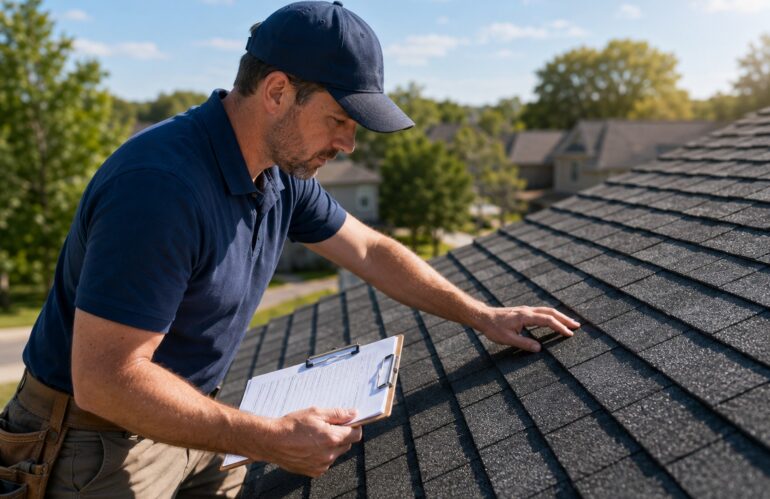
How much does a roof inspection cost is a question with two very different answers depending on who is doing the inspecting and why. A roofing contractor evaluating whether you need repair or replacement will almost always look for free. A third party inspector producing an independent report for a real estate transaction or an insurance dispute will charge, and should. Knowing which one you actually need saves both money and a fair amount of confusion, and late September is the right moment in northern Utah to sort it out.
QUICK ANSWER
A professional roof inspection typically costs $150 to $400, though most local roofing contractors provide free inspections when you are considering repair or replacement. Paid third-party inspections are standard for real estate transactions and insurance disputes. A thorough inspection takes 45 minutes to two hours and should include photo documentation.
Free versus paid: what each includes, and where the catch is
Contractor inspections, usually free
A roofing company inspects at no charge because the inspection is the front end of a possible job. That is a legitimate business model and it is not a problem, as long as you understand the incentive. What you get is a condition assessment, photographs, and an estimate for whatever work is recommended.
- Good for: deciding whether to repair or replace, pre-winter checks, post-storm documentation, and getting a real number for budgeting.
- The catch: the recommendation and the estimate come from the same party. The defense is straightforward. Ask for photographs of everything cited, and get a second opinion if the recommendation is replacement.
Third-party inspections, typically $150 to $400
An independent inspector has no stake in the outcome and produces a written report you own. Cost varies with roof size, pitch, and whether specialty equipment is used.
- Good for: real estate transactions, insurance disputes, litigation, and situations where you need documentation nobody can call self-interested.
- The catch: the inspector cannot fix anything, so you will still be hiring a contractor afterward. On a straightforward repair-or-replace question, this is often paying for a step you do not need.
One useful rule: if the question is what should I do, free is fine. If the question is who is right, pay for independence.
The full inspection checklist
A real inspection is not someone glancing at the roof from a ladder. Whether it costs nothing or four hundred dollars, it should cover all of this.
- Every roof plane, walked or closely examined. Damage is directional. An inspection that covers only the accessible slopes is incomplete by definition.
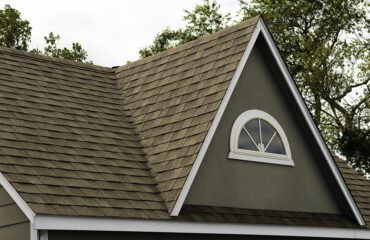
- Shingle condition. Granule coverage, curling, cupping, cracking, bruising, creasing, and any broken seals.
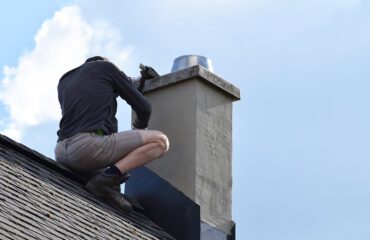
- Flashing at every penetration and wall transition. Chimneys, skylights, dormers, and sidewalls, which is where most leaks actually begin. Our explainer on roofing flashing covers the components involved.
- Pipe boots and vent penetrations. Rubber collars crack and fail long before shingles do, and they are a leading cause of ceiling stains.
- Valleys and drip edge. High water volume areas that fail early.
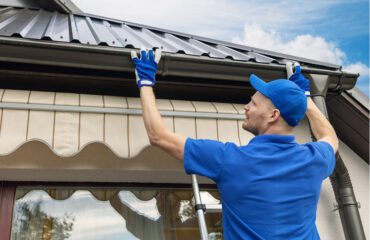
- Gutters and downspouts. Granule accumulation, secure fastening, correct pitch, and discharge away from the foundation. Related work is covered on our gutter repair page.
- Decking, from below. The attic tells you things the roof surface cannot: staining, soft or delaminated sheathing, daylight, and rusted nail tips signaling condensation.
- Attic ventilation and insulation. Intake and exhaust balance, blocked soffit vents, and insulation depth. This is the root cause of a large share of Utah roof problems. See roof vent types explained.
- Structure. Any sag, deflection, or rafter movement in the roof plane.
How often should you have your roof inspected?
- Annually once the roof passes ten years old. Before winter is the natural slot in northern Utah.
- Every two years for a newer roof in good condition with no storm history.
- After any hail event with stones around an inch or larger. Regardless of what the roof looks like from the ground.
- After any wind event with gusts above roughly 50 miles per hour. This is most winters along the Ogden and Bountiful benches.
- Before buying or selling. Roof age and condition is the most common negotiation point in a northern Utah transaction.
- Immediately after any interior water stain, even one that appears once and dries.
If you do not know how old the roof is, start there. Our guide to figuring out how old your roof is covers permit records, listing history, and the wear signals that narrow it down.
Drone and infrared inspection: when they are actually warranted
Both get marketed heavily. Both are genuinely useful in specific situations and unnecessary in most residential ones.
- Drone imagery is valuable on steep, fragile, or very high roofs where walking is unsafe or damaging, and for capturing complete overhead documentation of a storm loss. It cannot replace hands on a surface: bruising is confirmed by pressure, not by photograph.
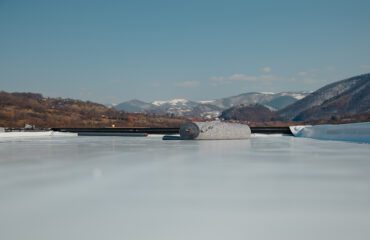
- Infrared scanning detects temperature differences caused by trapped moisture in the roof assembly. It is standard practice on flat and low slope commercial roofs, where wet insulation is otherwise invisible, and much less useful on a sloped shingle roof.
- Moisture meters are the quiet workhorse. Inexpensive, direct, and the right tool for confirming saturation in decking or insulation.
For a typical residential shingle roof, an experienced inspector on the surface with a camera and a moisture meter will out-diagnose the technology every time. On a commercial flat roof, infrared earns its cost. See our commercial roofing page for how we approach those buildings.
The written report you should insist on receiving
Whatever you pay, the deliverable is the point. Insist on a document rather than a verbal summary at the truck. It should contain:
- Dated photographs of every issue cited, labeled by location on the roof.
- Condition assessed slope by slope, not as a single overall grade.
- An estimated remaining service life, with the reasoning behind it.
- Findings separated into urgent, near term, and monitor.
- Attic and ventilation observations, not just surface findings.
- A clear distinction between what needs doing and what is being recommended.
That document is worth keeping whether you act now or in three years. It establishes a baseline, and if a storm hits next spring, a dated pre-storm condition report is unusually powerful evidence in a claim.
Why late September is the right time to book
There is a narrow window in northern Utah when everything lines up. The summer UV season is over, so any damage it caused is visible. The roof is dry and safe to walk. Repairs can still be completed in warm enough temperatures for sealant to bond. And crews are not yet buried in emergency calls.
Wait six weeks and all four of those change at once. A small flashing repair in late September is a routine appointment. The same repair in January is an emergency call on a snow covered roof, at emergency pricing, with a wet ceiling underneath it. We inspect throughout Weber, Davis, Morgan, and Summit counties, listed on our service areas page.
Book a Free Pre-Winter Roof Inspection
Frequently Asked Questions
Are roof inspections free?
Most local roofing contractors inspect for free when you are considering repair or replacement, because the inspection precedes a possible job. Independent third-party inspections for real estate or insurance purposes typically cost $150 to $400.
How long does a roof inspection take?
A thorough residential inspection takes 45 minutes to two hours depending on roof size, pitch, complexity, and whether the attic is accessible. Anything finished in ten minutes was not an inspection.
How often should you have your roof inspected?
Annually once the roof is past ten years old, every two years for newer roofs, and after any hail event with stones near an inch or any wind event above roughly 50 miles per hour.
How much does a commercial roof inspection cost?
Commercial inspections generally run higher than residential because of size and the use of infrared moisture scanning, often $300 to $1,000 or more depending on square footage. Many contractors offer free assessments on buildings they may service.
Is a roof inspection worth it before buying a house?
Yes. Roof age and condition is the most common inspection objection and price negotiation point in a northern Utah sale, and a general home inspection rarely includes a detailed roof evaluation.