Your roof is exposed to sunlight every day, often for years at a time. While roofing materials are designed to withstand outdoor conditions, long-term UV exposure and heat can gradually affect how well a roof performs over time. Understanding is sun bad for shingles can help homeowners recognize the importance of maintenance, ventilation, and choosing durable roofing materials.
Constant roof sunlight exposure contributes to natural aging, especially for asphalt shingles. Over time, UV rays and heat cycles can weaken roofing materials, leading to visible wear and reduced lifespan if problems are not addressed early.
How Sun Exposure Affects Roofing Materials
Sunlight affects roofing systems through a combination of UV radiation, heat buildup, and daily temperature changes. During the day, roofing materials absorb heat and expand. As temperatures cool at night, the materials contract again.
This continuous cycle gradually places stress on:
- Asphalt shingles
- Sealants
- Flashing
- Roof coatings
When evaluating is the sun good or bad for shingles, the answer depends largely on the roof’s condition, material quality, and long-term exposure. Sunlight itself is a normal environmental factor, but prolonged UV exposure can contribute to accelerated aging over time.
How UV Rays Affect Asphalt Shingles
Asphalt shingles are one of the most common residential roofing materials, but they are also especially vulnerable to long-term UV exposure.
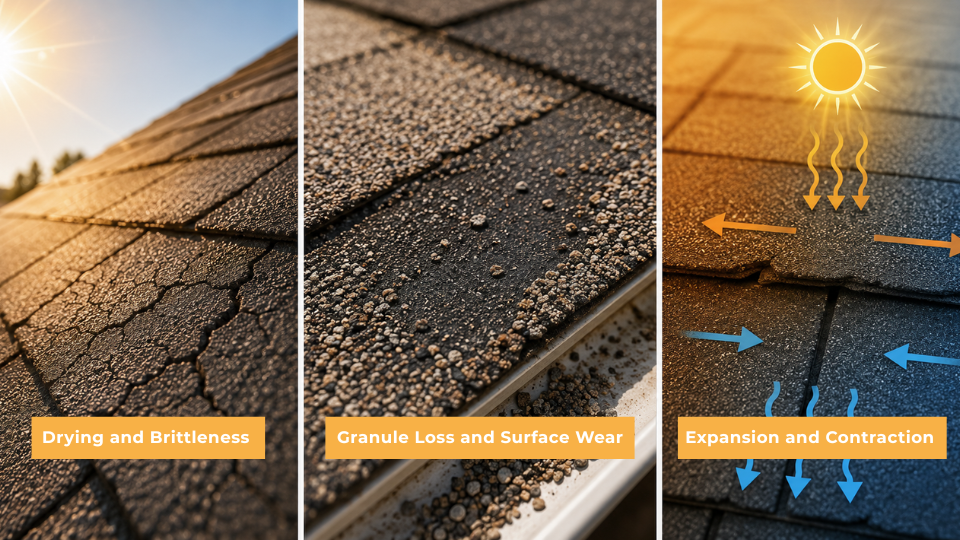
Drying and Brittleness
UV rays can slowly dry out the oils within asphalt shingles, causing the material to lose flexibility. As shingles become more brittle, they may become more susceptible to cracking or damage during storms and temperature swings.
This is one reason does sun make shingles worse over time, particularly on older roofs already experiencing wear.
Granule Loss and Surface Wear
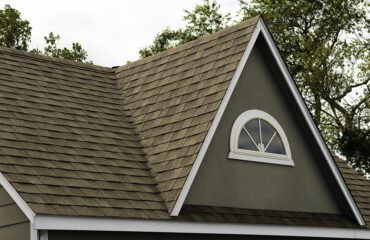
Shingle granules serve an important purpose by helping protect the asphalt layer beneath direct sunlight. Over time, UV exposure and weathering can loosen these granules, causing them to wear away gradually.
As granule loss increases, shingles may absorb more heat and become more vulnerable to deterioration. This is one of the most visible signs that sunlight makes shingles worse as the roof ages.
Expansion and Contraction
Heat from the sun causes roofing materials to expand during warmer temperatures and contract as they cool. Although this movement is normal, years of repeated expansion and contraction can place stress on shingles, flashing, and roof sealants.
Over time, these cycles may contribute to cracking, separation, and other forms of roof aging.
Can Sun Damage Shorten Roof Lifespan?
Long-term UV exposure can contribute to roof deterioration, especially when combined with poor ventilation, aging materials, or lack of maintenance.
Understanding is sun bad for shingles also means recognizing that roofs naturally age at different rates depending on climate conditions and material quality. In climates like Utah, where homes experience intense summer sunlight, higher elevations, and seasonal temperature swings, roofs may experience additional UV-related stress over time.
Although sun exposure alone may not immediately damage a roof, years of UV exposure can gradually reduce the lifespan of roofing materials if preventative care is neglected.
Signs of UV and Sun Damage on a Roof
Homeowners may notice several warning signs as shingles begin to age from sun and weather exposure.
Common signs include:
- Fading or discoloration
- Curling shingle edges
- Cracked shingles
- Granules collecting in gutters
- Brittle or dry roofing materials
- Uneven roof aging across sun-exposed areas
These issues often develop gradually, making regular roof inspections important for identifying early signs of damage.
How to Help Protect Your Roof From UV Exposure
While no roof can completely avoid weathering, there are several ways homeowners can help reduce UV-related wear over time.
Helpful strategies include:
- Scheduling routine roof inspections
- Addressing damaged shingles early
- Maintaining proper attic ventilation
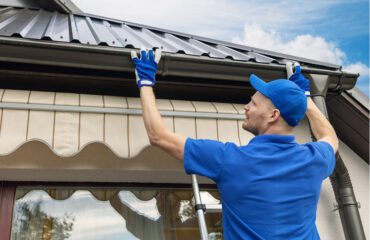
- Keeping gutters clean
- Choosing durable roofing materials
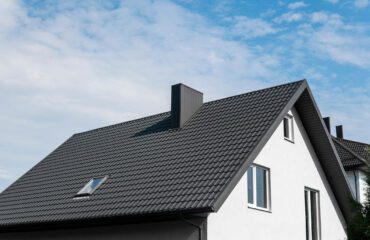
Selecting a high-quality uv resistant roofing material may also help improve long-term roof performance. Some modern roofing products are specifically designed to better reflect heat and reduce UV-related deterioration.
Homeowners considering reflective or energy-efficient roofing systems may also benefit from understanding uv roofing solutions and how different materials respond to heat and sunlight. Learning more about whether do metal roofs make your house hotter can also help when comparing roofing options for long-term performance.
Protect Your Roof With Professional Roofing Support
Sun exposure is a normal part of a roof’s lifespan, but long-term UV exposure can gradually affect roofing materials and contribute to premature aging over time. Understanding how sunlight impacts shingles can help homeowners make informed decisions about inspections, maintenance, and roofing materials.
If you want to evaluate your roof’s condition or explore roofing options designed for Utah’s climate, Elite Services & Roofing provides professional roofing services and inspections for homeowners across Utah. Contact us today to schedule a roof evaluation and help protect your home for the long term.