
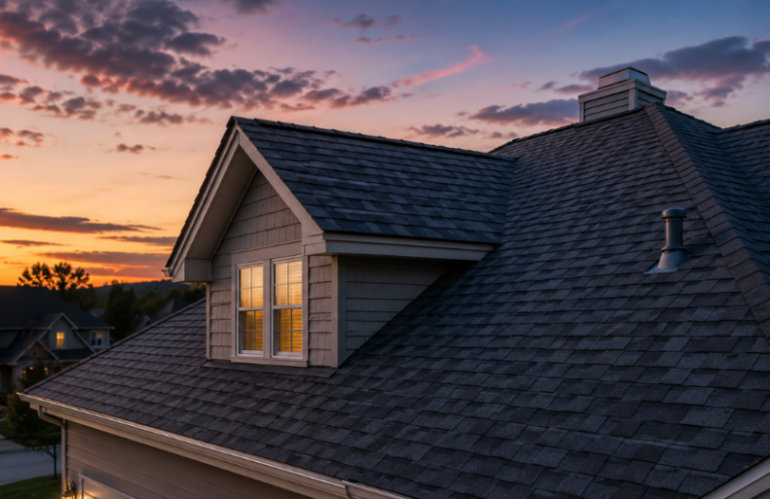
Hearing unexpected sounds coming from the roof or attic can catch homeowners off guard, especially late at night or during changing weather conditions. Popping, creaking, tapping, or other noises in roof areas are common experiences in many homes, but understanding what causes them can help determine whether they are part of normal roof movement or a sign that something may need attention.
Some types of noise from roof areas are harmless, while others may indicate developing roofing problems. Knowing the difference can help homeowners respond appropriately and protect their roof over time.
Are Roof Noises Normal?
Most roofs naturally make some level of sound throughout the year. Roofing materials expand and contract as temperatures change, and weather conditions can cause slight movement within the roofing system and attic structure.
Common harmless roof sounds may include:
- Light popping
- Ticking
- Minor creaking
- Soft cracking sounds
These sounds are often more noticeable at night after a warm day or during seasonal weather changes. In many cases, occasional roof movement is simply part of how building materials respond to environmental conditions.
What Causes Noise From a Roof?
Several parts of a roofing system can create sound under certain conditions. Some noises are temporary and harmless, while others may point to loose materials or roofing damage.
Temperature Changes and Expansion
One of the most common causes of roof noise is thermal expansion and contraction. Roofing materials absorb heat during the day and then cool down as outdoor temperatures drop at night.
This movement may involve:
- Roof decking
- Wood framing
- Flashing
- Shingles
- Fasteners
As materials shift slightly, homeowners may hear a popping noise in attic areas or a cracking noise in the ceiling at night. In climates like Utah, where homes experience hot summers and colder winter temperatures, these expansion and contraction sounds may become more noticeable during seasonal weather changes.
Wind and Weather Movement
Wind can also create temporary roof sounds, particularly during storms or strong gusts. Loose flashing, vents, gutters, or nearby tree branches may shift or vibrate as wind moves across the roof.
In some cases, homeowners may notice light roof tapping or rattling sounds caused by exterior roof components moving during windy conditions.
Minor weather-related movement is often harmless, but persistent or worsening sounds should still be evaluated.
Rain and Moisture-Related Sounds
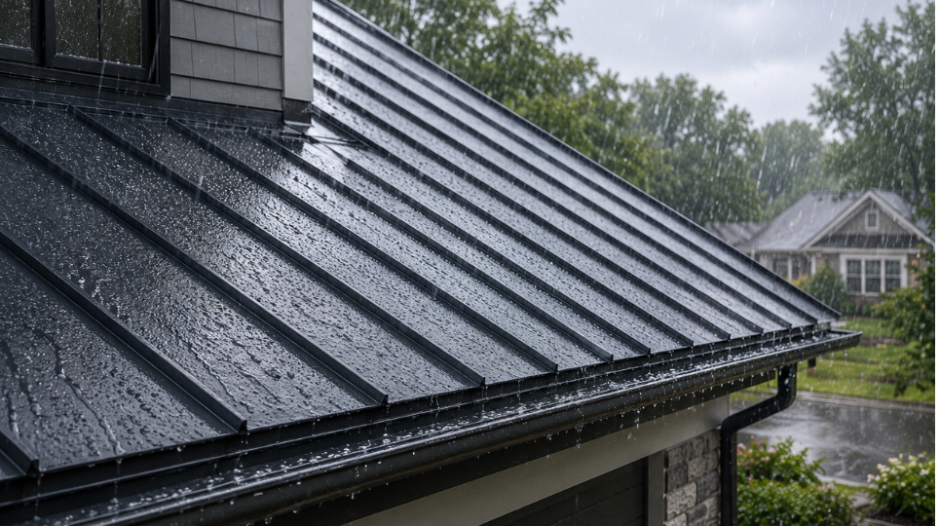
Different roofing materials respond differently to rainfall. Some homeowners become more aware of rain sounds on roof surfaces during heavy storms, especially if attic insulation is limited or if the roofing material naturally amplifies sound more than others.
Moisture may also contribute to subtle roof movement as humidity levels change throughout the day.
When Roof Noises May Signal a Problem
Although many roof sounds are normal, some noises may indicate underlying roofing or structural issues.
Warning signs include:
- Loud banging sounds
- Persistent scraping noises
- Frequent dripping sounds
- Sudden new noises
- Sagging ceilings
- Water stains near the ceiling
- Repeated sounds during mild weather conditions
Changes in sound patterns are often more important than occasional isolated noises. For example, a sudden increase in noise in ceiling areas following a storm may suggest roofing damage or moisture intrusion.
Possible Roofing Problems Behind the Noise
Certain roof noises may develop when roofing materials become loose, damaged, or weakened over time.
Potential causes include:
- Loose flashing or vents
- Damaged or lifted shingles
- Roof decking movement
- Gutter movement
- Moisture damage beneath roofing materials
- Structural shifting within the attic or roof framing
Storm damage and long-term wear can also increase the likelihood of unusual roof sounds developing.
While some minor movement is expected, persistent noises should not be ignored if they become louder, more frequent, or are accompanied by visible signs of damage.
When to Schedule a Professional Roof Inspection
A professional roof inspection may be recommended if roof noises become more frequent, or appear alongside visible signs of damage, including:
- Roof noises suddenly worsen
- Water stains or leaks appear
- Strong storms recently affected the area
- Shingles or flashing appear damaged
- Noises become frequent or severe
Roofing professionals can evaluate the structure, identify loose or damaged materials, and determine whether repairs are needed.
Early inspections may help prevent small roofing issues from developing into larger structural problems over time.
Get Professional Help for Unusual Roof Noises
Occasional roof sounds are often a normal part of how homes respond to weather and temperature changes. However, persistent or unusual noises may indicate roofing issues that deserve professional attention.
If you are hearing concerning roof or attic sounds, Elite Services & Roofing provides professional roof inspections and repair services for homeowners across Utah. Contact us today to schedule an inspection and ensure your roof remains safe and secure.