
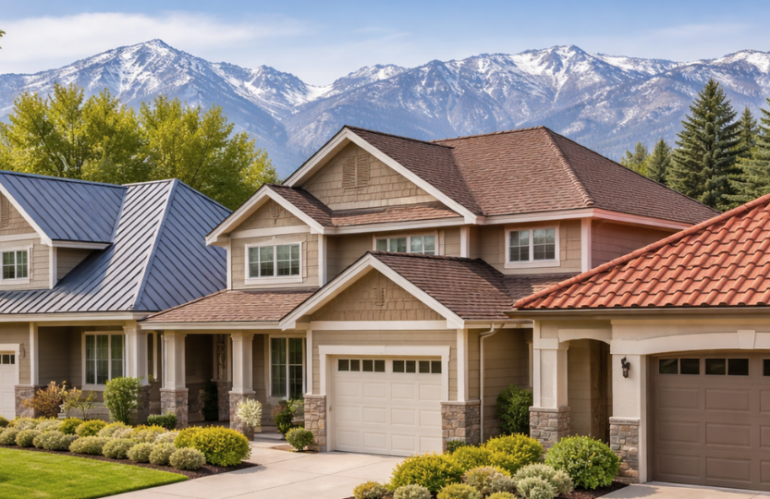
Understanding different types of roofs is essential when building, replacing, or upgrading a home. The type of roof you choose affects not only the appearance of your property but also its durability, maintenance needs, and long-term performance.
Roofing systems are typically defined by both their structure and the materials used. Knowing how these elements work together can help homeowners make informed decisions that align with their budget, climate, and overall home design.
What Are the Different Types of Roofs?
Roofs can generally be categorized into two main components: design (shape) and materials (surface layer). Understanding this distinction helps homeowners evaluate roofing options more effectively.
While roof design influences drainage and structural stability, roofing materials determine durability, maintenance requirements, and resistance to weather conditions.
Types of Roofs on Houses (Roof Designs)
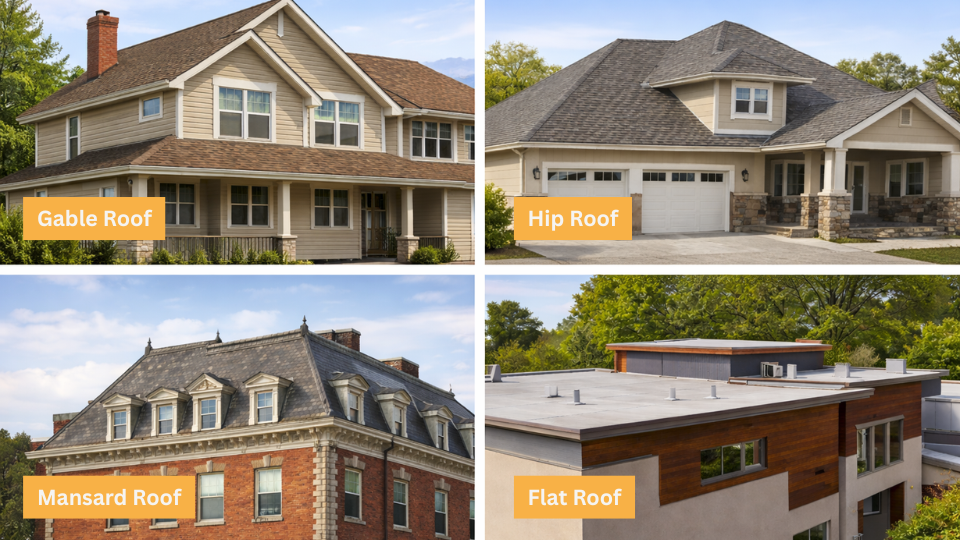
Different roof designs serve different functional and aesthetic purposes. The most common options include:
Gable Roof
A gable roof features two sloping sides that meet at a ridge, creating a triangular shape. This design is widely used because it allows for effective water and snow drainage.
Hip Roof
A hip roof slopes on all four sides, making it more stable and resistant to strong winds. It is commonly used in areas with variable weather conditions.
Flat and Low-Slope Roofs
Flat or low-slope roofs offer a modern appearance and are often used in contemporary homes. These designs require proper drainage and waterproofing systems, and homeowners can explore professional solutions such as low-slope roofing services.
Mansard and Gambrel Roofs
These more complex designs provide additional interior space, often used for attics or upper living areas. While visually distinctive, they require careful construction and maintenance.
Most Common Roofing Materials for Homes
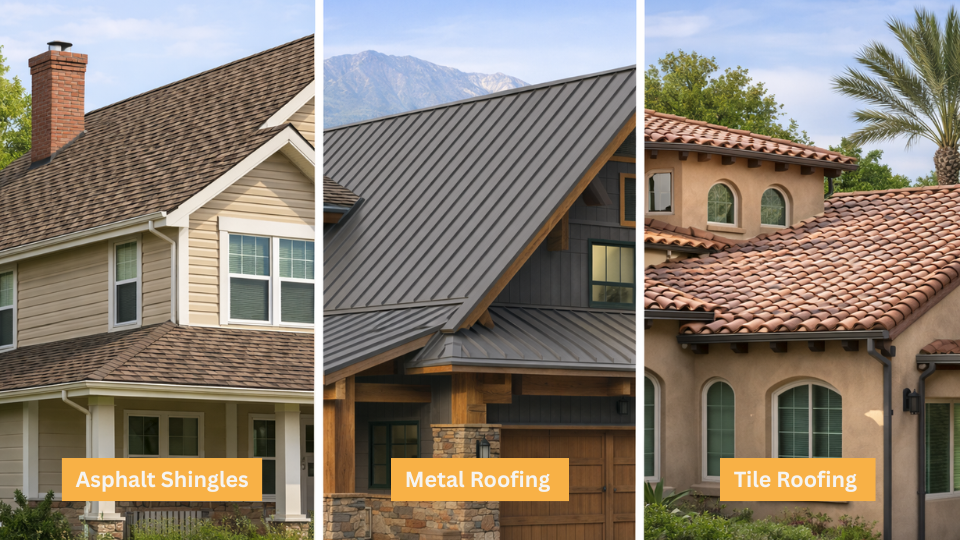
When comparing 3 types of roofs most homeowners consider, asphalt shingles, metal roofing, and tile, each offers unique advantages depending on performance needs and budget.
Asphalt Shingle Roofing
Asphalt shingles are the most widely used roofing material due to their affordability and versatility. They are available in different styles and provide reliable protection for many residential properties. Homeowners can learn more about available options through asphalt roofing services.
Metal Roofing
Metal roofing is known for its durability and long lifespan. It performs well in areas with heavy snow and temperature fluctuations, making it a strong option for long-term performance. Professional installation through metal roofing services helps ensure long-term performance and durability.
Tile or Specialty Roofing
Tile roofing offers a distinctive appearance and exceptional longevity. However, it is heavier than other materials and may require additional structural support.
What Are the Different Types of Roof Shingles?
Shingle roofing systems are available in several variations, each offering different levels of durability and visual appeal. Understanding these differences helps homeowners choose the right option for their needs.
Common types include:
- 3-tab shingles, which are lightweight and cost-effective
- Architectural shingles, which offer improved durability and a more dimensional look
- Premium or designer shingles, which provide enhanced aesthetics and longer lifespans
Each option varies in cost, performance, and resistance to weather exposure.
What Are the Different Types of Metal Roofing?
Metal roofing systems come in several styles, each offering different benefits in durability, appearance, and performance. Understanding these options helps homeowners evaluate which solution best fits their long-term needs.
Common options include:
- Standing seam metal roofing, known for its clean appearance and durability
- Corrugated metal panels, which are cost-effective and functional
- Metal shingles, which mimic traditional roofing materials while offering increased durability
Homeowners can explore these options further by reviewing detailed guides on types of metal roofing.
Comparing Roofing Materials: Performance and Longevity
Different roofing materials vary significantly in performance. Asphalt shingles typically offer a lifespan of 15 to 30 years, while metal roofing can last 40 years or more with proper installation and maintenance.
Factors such as weather exposure, maintenance practices, and installation quality all influence how long a roof will last. Comparing materials side by side can help homeowners determine which option aligns best with their expectations. For a deeper comparison, reviewing resources such as metal vs shingle roofing can provide additional insight.
How to Choose the Right Roofing Option for Your Home
Selecting the right roofing system involves more than choosing a material. Homeowners should consider:
- budget and long-term cost
- climate conditions, including snow and sun exposure
- roof design and structural requirements
- maintenance expectations
In regions like Utah, where roofs are exposed to both heavy snow and strong sunlight, choosing materials that can handle temperature fluctuations and weight loads is especially important.
Choosing the Right Roof for Long-Term Performance
Selecting from the many different types of roofs available requires careful consideration of both design and materials. Each option offers unique advantages, and the right choice depends on your home’s structure, environment, and long-term goals.
If you are planning a roof upgrade or replacement, Elite Services & Roofing provides professional roofing services for homeowners across Utah. Contact us today to schedule a consultation and find the best roofing solution for your home.