
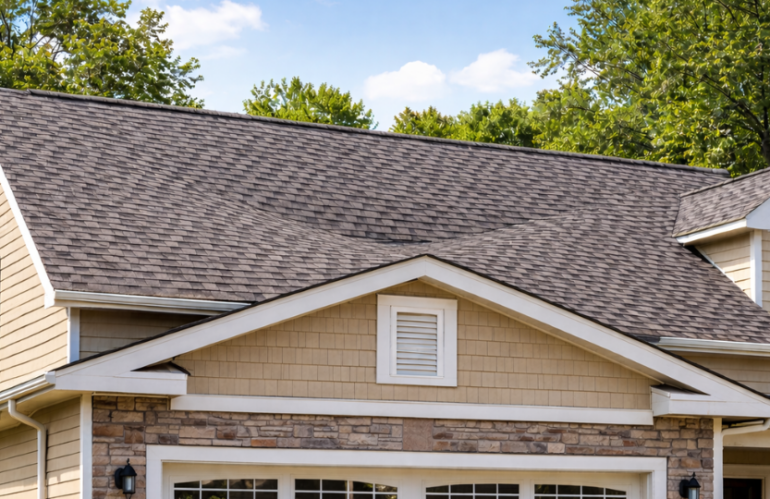
Understanding roof collapse causes is important for homeowners who want to protect the safety and structural integrity of their homes. Although full roof collapse is uncommon, structural damage can develop when roofing systems experience long-term moisture intrusion, aging materials, or excessive weight.
In many cases, roof problems develop gradually rather than suddenly. Recognizing early warning signs and addressing roofing issues promptly can help prevent serious structural damage and extend the lifespan of the roof.
Common Roofing Problems That Can Lead to Structural Damage
Several issues can weaken a roofing system and eventually lead to structural damage if they are not addressed promptly. These problems typically develop over time as small defects worsen and place additional stress on the roof structure.
Moisture Intrusion and Long-Term Water Damage
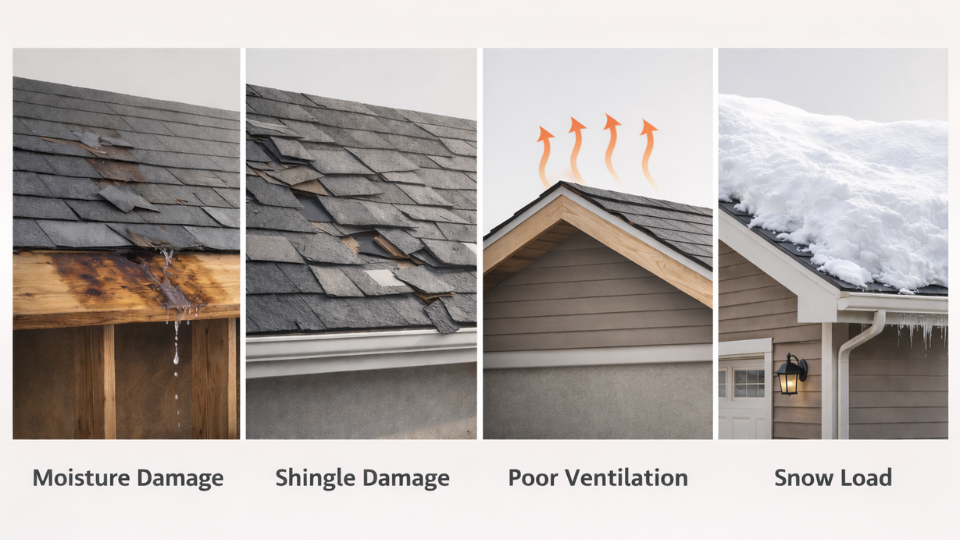
Water infiltration is one of the most damaging threats to roof stability. Persistent leaks can allow moisture to reach roof decking or structural framing, leading to wood rot, mold growth, and weakened support structures. Over time, this damage can compromise the roof’s ability to support its own weight.
Heavy Snow or Excessive Weight
In colder climates, heavy snow accumulation can place significant pressure on roof structures. In Utah, winter storms can add substantial weight to rooftops as wet snow and ice build up. This extra load stresses rafters and trusses, particularly on older roofs or those with drainage issues, increasing the risk of structural damage over time.
Aging Roofing Materials
All roofing materials deteriorate over time. Shingles may crack, curl, or lose protective granules, while underlayment and decking can weaken after years of exposure to weather conditions. As these materials age, the roof becomes more vulnerable to leaks and structural instability.
Poor Roof Construction or Installation
Improper installation can create structural weaknesses that become more serious as the roof ages. Incorrect framing, poor load distribution, or inadequate flashing installation may lead to long-term structural issues.
When structural problems are discovered, homeowners may need professional solutions such as roof installation and repair to restore the roof’s safety and stability.
How Roof Failure Develops Over Time
Structural damage rarely occurs without warning. In most cases, problems develop gradually as multiple issues weaken the roofing system.
Moisture damage, aging materials, and environmental stress can slowly compromise key structural components such as rafters, decking, and trusses. Small issues, such as minor leaks or damaged shingles, may seem insignificant at first but can eventually lead to deeper structural deterioration.
As roofing systems age, homeowners may need to consider whether repairs are sufficient or if a more comprehensive solution is necessary. In some situations, evaluating options such as roof replacement or re-roofing becomes part of maintaining long-term structural safety.
Which Is an Indication of Possible Roof Collapse?
Several warning signs may indicate structural stress within a roofing system. Recognizing these signs early can help homeowners determine when a professional roof inspection may be necessary.
Common warning signs include:
- Sagging roof lines or visible dips in the roof surface
- Cracks appearing in ceilings or interior walls
- Doors or windows that suddenly become difficult to open or close
- Persistent roof leaks or large water stains on ceilings
- Unusual creaking or popping sounds coming from the attic
- Uneven areas or structural movement visible from outside the home
These signs often appear before structural failure occurs. When they are identified early, professional roof inspections can help determine whether repairs or structural reinforcement are needed.
Preventing Structural Roof Damage Before It Becomes Dangerous
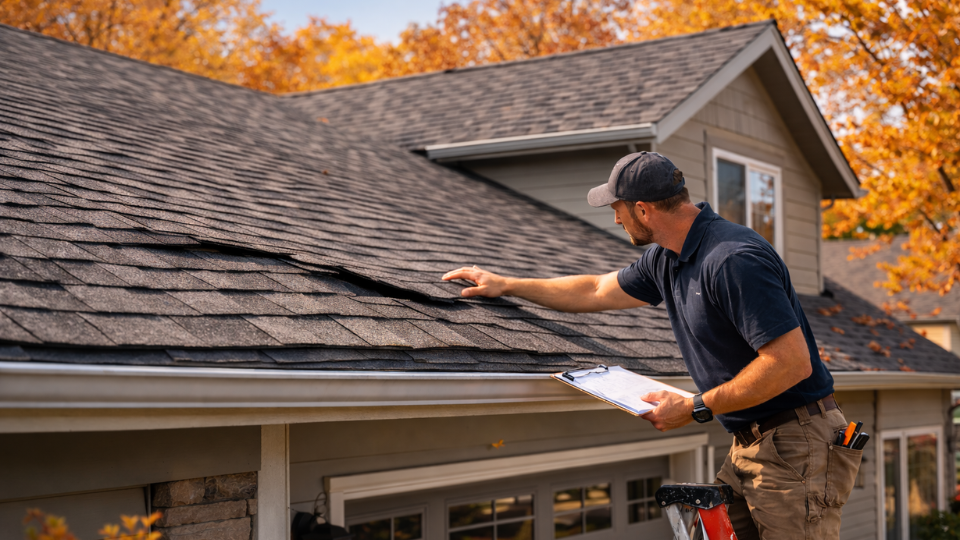
Preventative maintenance plays a major role in reducing the risk of structural roof damage. Addressing minor roofing issues early can help protect the overall stability of the roof.
Key preventative steps include:
- Scheduling routine roof inspections
- Repairing leaks or damaged shingles quickly
- Removing heavy snow accumulation when necessary
- Maintaining proper attic ventilation
- Ensuring gutters and drainage systems function properly
If a roof experiences sudden damage during severe weather, rapid response may be necessary. In those cases, homeowners may require emergency roof repair to prevent structural problems from worsening. Once the immediate damage is stabilized, solutions like re-roofing may be considered to restore long-term protection.
Why Early Roof Inspections Matter
Regular roof inspections allow homeowners to monitor the condition of their roofing systems and detect structural risks before they escalate. Professional inspections can identify moisture damage, weakened decking, ventilation problems, or other conditions that may compromise roof stability.
Environmental conditions can place additional stress on roofing systems. Snow accumulation, temperature fluctuations, and long-term exposure to sunlight can gradually accelerate material deterioration. Routine inspections provide an opportunity to address these issues early and maintain the long-term performance of the roof.
Protect Your Home From Structural Roof Damage
Understanding roof collapse causes helps homeowners recognize risks before serious structural damage occurs. Many roofing failures develop slowly as moisture damage, aging materials, and structural stress weaken the roof over time. Identifying warning signs early and addressing roofing problems quickly can help prevent costly repairs and protect the safety of the home.
If your roof shows signs of structural damage or has experienced recent severe weather, Elite Services & Roofing provides professional roofing services for homeowners across Utah. Contact us today to schedule a roof inspection and identify potential structural concerns before they become serious roofing problems.