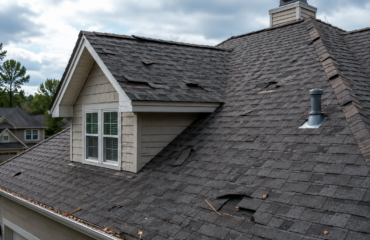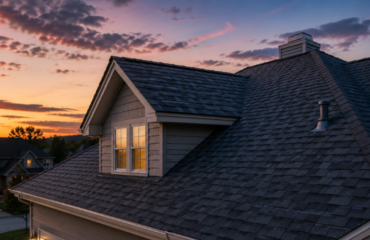
Here’s something most homeowners don’t expect to hear from a roofing company: those black streaks you’re calling mold on roof shingles usually aren’t mold at all. In most cases, they’re algae — a different organism with a different fix. The distinction matters, because the most popular DIY response (renting a pressure washer) does more damage to your roof than the growth itself ever would. This guide explains what’s actually growing up there, when it crosses the line from ugly to dangerous, and how to remove it without shortening your roof’s lifespan.
What Causes Mold on Roof Shingles?
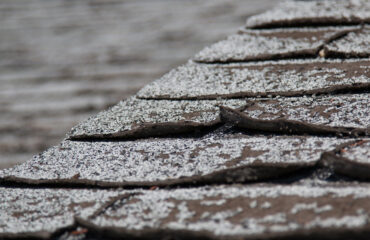
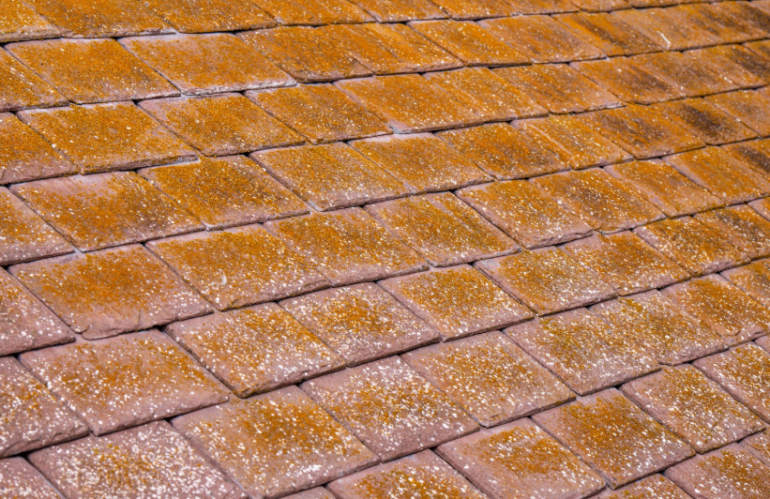
The black streaking on asphalt shingles is almost always Gloeocapsa magma, an airborne algae that feeds on the limestone filler manufacturers add to shingles. It thrives in humidity and shade, which is why you’ll typically see it on north-facing slopes and sections under tree cover — and why one side of your roof can look stained while the other looks fine.
Three conditions invite growth, whether it’s algae, moss, or true mold:
- Trapped moisture. Overhanging branches, clogged gutters, and debris-filled valleys keep shingles damp long after rain stops.
- Shade. Surfaces that never fully dry become a permanent habitat. Moss in particular takes hold in persistently damp, shaded areas.
- Poor attic ventilation. When warm, humid air can’t escape the attic, it keeps the roof deck damp from below — and that’s where actual mold, the kind that needs sustained organic moisture, gets its start.
True mold on an exterior roof surface is relatively uncommon. When it does appear, it’s usually a symptom of a deeper moisture problem rather than a surface issue you can simply wash away.
Is Mold on Your Roof Dangerous?
For the growth on the outside of your roof, the honest answer is: not to your health, but yes to your roof — gradually. Algae streaks hold moisture against shingles and darken the surface, which raises shingle temperature and accelerates aging. Moss is worse. Its root-like structures work under shingle edges and lift them, opening paths for water during the next storm. Left alone for years, that’s the difference between a roof that lasts its full warranty period and one that fails early.
Black Streaks Outside vs. Mold on the Ceiling Inside
The genuinely urgent scenario isn’t on your shingles — it’s on your ceiling. Early stage mold on a ceiling from a roof leak shows up as a faint yellow-brown ring or gray speckling, often with a musty smell, and it can appear within days of water intrusion. The EPA’s mold guidance is blunt on this point: wet materials need to be dried within 24–48 hours to prevent mold growth. If you’re seeing ceiling stains, you don’t have a cleaning problem. You have a roof leak, and the clock is running.
Mold on Roof Removal: The Safe Way
First, the position we hold firmly: never pressure wash asphalt shingles. High-pressure water strips the protective granules that shield shingles from UV damage, and many manufacturers explicitly exclude pressure-washing damage from warranty coverage. We’ve inspected roofs that lost five years of useful life to a single afternoon with a rented pressure washer.
The method the Asphalt Roofing Manufacturers Association recommends instead is a soft wash: a 50/50 mix of chlorine bleach and water, applied with a garden sprayer, left to sit for 15–20 minutes, then rinsed at low pressure. Wet down your landscaping first and rinse it after — bleach runoff kills plants.
That said, know your limits. Call a professional if any of these apply:
- The roof is steep, wet, or more than one story up — falls, not mold, are the real danger here
- Moss is embedded under shingle edges (it needs careful manual removal, not just chemicals)
- Growth keeps returning within a year or two, which signals a ventilation or drainage problem
- You’ve found any staining on interior ceilings
How to Prevent Mold on Shingle Roofs
Removal without prevention buys you one to three years before the streaks return. Prevention buys you a decade or more:
- Trim overhanging branches to restore sunlight and airflow
- Clean gutters twice a year so water drains instead of wicking under shingles
- Have attic ventilation checked — balanced intake and exhaust keeps the roof deck dry from below
- Install zinc or copper strips along the ridge; rainwater carries trace metal ions down the roof and inhibits new growth
- Choose algae-resistant shingles at replacement time. Modern AR shingles embed copper-coated granules and typically carry stain warranties of 10 years or more
The Bottom Line
What’s growing on your roof is a symptom. Algae points to shade and moisture, moss points to drainage problems, and ceiling stains point to a leak that won’t fix itself. The right response starts with the right diagnosis — and a gentle removal method that doesn’t trade a cosmetic problem for a structural one.
If you’re looking at streaks, moss, or a suspicious ceiling spot and want a straight answer about what it is and what it’ll take to fix, request a free quote from Elite Services and Roofing. We’ll tell you whether you’re dealing with a cleaning job, a repair, or nothing to worry about at all.
FAQ
Does mold on my roof mean I need a new roof? Rarely. Algae staining is cosmetic for years before it affects performance. Replacement only enters the conversation when moss has lifted shingles widely or the roof is already near the end of its lifespan — in which case algae-resistant shingles solve the problem permanently.
Will the streaks come back after cleaning? Without prevention, usually within one to three years, because the conditions that fed the growth haven’t changed. Pair any cleaning with the prevention steps above.