Your roof plays a critical role in protecting your home, yet many common roofing problems develop gradually and go unnoticed until they cause significant damage. From small leaks to structural concerns, even minor roofing issues can quickly escalate if not addressed early.
Understanding the most frequent roofing issues, along with their signs and causes, can help homeowners take action before repairs become more complex and costly.
Why Identifying Roofing Problems Early Matters
Roofing problems rarely appear all at once. In most cases, they begin as small issues that worsen over time due to weather exposure, aging materials, or improper installation.
Early detection helps:
- Prevent water damage and mold growth
- Protect the structural integrity of your home
- Reduce long-term repair costs
- Extend the lifespan of your roof
Addressing problems early is one of the most effective ways to maintain your roof’s performance and avoid unexpected repairs.
Most Common Roofing Problems Homeowners Face
There are several common roofing issues homeowners should be aware of. Recognizing the signs, causes, and how they are typically addressed can help resolve them more quickly and effectively.
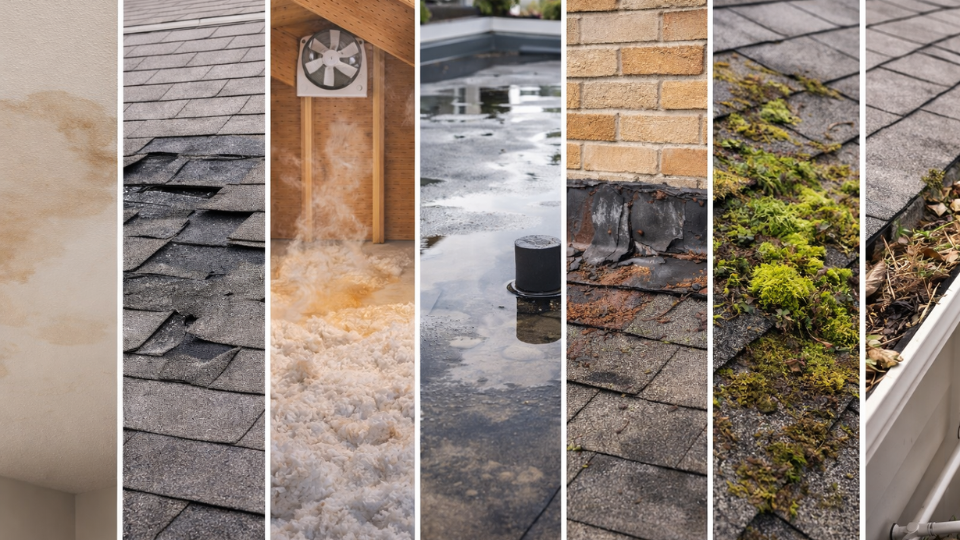
Roof Leaks
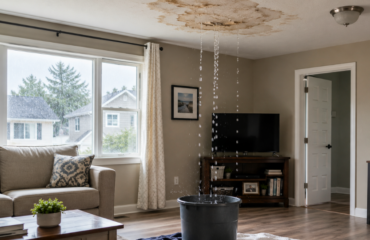
Roof leaks occur when water penetrates the roofing system through damaged materials or vulnerable areas.
Signs:
- Water stains on ceilings or walls
- Dripping during rain
- Damp attic insulation
Causes:
- Damaged shingles
- Worn flashing
- Poor installation
How It’s Addressed:
A professional inspection identifies the source of the leak, followed by targeted repairs to damaged materials and sealing affected areas to prevent further water intrusion.
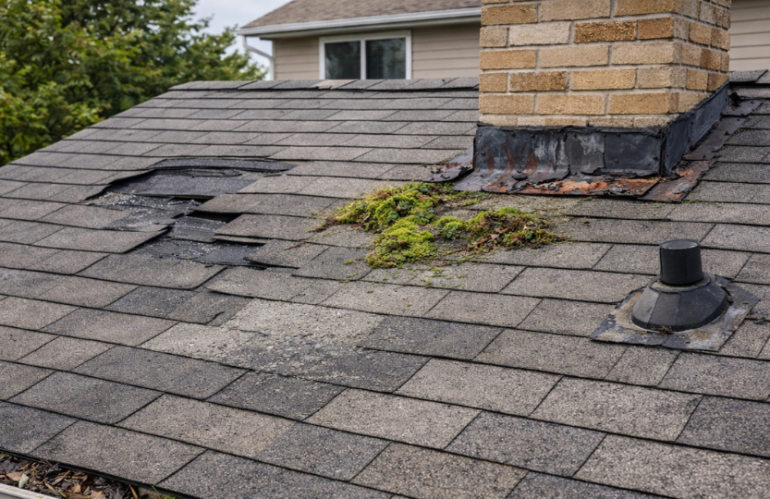
Missing or Damaged Shingles
This issue occurs when shingles become loose, cracked, or detached, leaving parts of the roof exposed.
Signs:
- Bare spots on the roof
- Cracked, curled, or broken shingles
Causes:
- Strong winds
- Aging materials
- Improper installation
How It’s Addressed:
Damaged shingles are replaced, and surrounding areas are inspected to ensure the roofing system remains properly sealed and protected.
Poor Roof Ventilation
Poor ventilation happens when airflow in the attic is restricted, causing heat and moisture to build up.
Signs:
- Excess heat in the attic
- Increased energy bills
- Moisture buildup
Causes:
- Inadequate ventilation design
- Blocked airflow
How It’s Addressed:
Ventilation systems are evaluated and improved to allow proper airflow, helping regulate temperature and reduce moisture buildup.
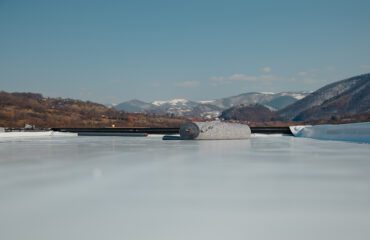
Ponding Water on Flat Roofs
Ponding water occurs when water remains on the roof surface instead of draining properly.
Signs:
- Standing water after rain
- Sagging or uneven areas
Causes:
- Poor drainage
- Structural issues
How It’s Addressed:
Drainage systems are adjusted or improved, and any structural issues affecting water flow are corrected to prevent long-term damage.
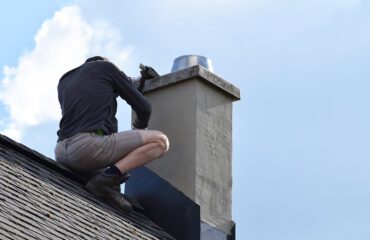
Damaged Flashing
Flashing damage occurs around roof penetrations such as chimneys, vents, or skylights.
Signs:
- Leaks near roof edges or openings
- Visible cracks or corrosion
Causes:
- Weather exposure
- Improper sealing
How It’s Addressed:
Flashing is repaired or replaced, and surrounding areas are resealed to ensure a watertight barrier.
Moss, Mold, or Algae Growth
This issue develops when moisture becomes trapped on the roof surface, often in shaded areas.
Signs:
- Green patches or dark streaks
- Persistent damp areas
Causes:
- Poor drainage
- Limited sunlight exposure
How It’s Addressed:
The roof is professionally cleaned, and contributing factors such as drainage or ventilation are improved to prevent regrowth.
Clogged Gutters
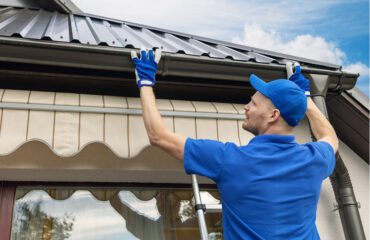
Clogged gutters prevent proper water drainage, causing water to back up onto the roof or around the foundation.
Signs:
- Overflowing water
- Water pooling near the home
Causes:
- Leaves and debris buildup
How It’s Addressed:
Gutters are cleared of debris, and drainage systems are inspected to ensure water flows properly away from the home.
Repair vs Replacement
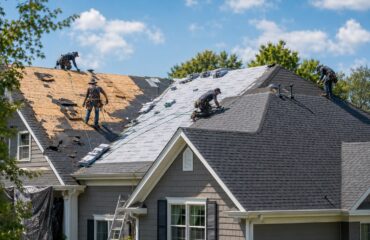
Not all roofing issues require a full replacement. Many can be resolved with targeted repairs, especially when identified early.
However, when damage is widespread, recurring, or related to aging materials, replacement may be the more reliable long-term solution. Understanding roofing problems and solutions at a broader level helps homeowners make informed decisions.
Signs that replacement may be needed include:
- Frequent or recurring repairs
- Structural damage
- An aging roof nearing the end of its lifespan
If you’re unsure, it can help to understand how often roofs should be replaced based on your roof’s condition.
How to Prevent Common Roofing Issues
Preventing common roof problems starts with consistent maintenance and early action.
Homeowners can reduce risk by:
- Scheduling regular roof inspections
- Keeping gutters clean and clear
- Addressing small issues before they worsen
- Ensuring proper ventilation
- Using quality materials and professional installation
A proactive approach helps extend the lifespan of your roof and minimizes unexpected repairs.
When to Call a Professional Roofing Contractor
Most roofing issues require professional evaluation, especially when safety or structural integrity is involved.
You should consider calling a contractor if:
- Leaks persist or worsen
- Structural damage is visible
- Multiple issues are present at the same time
- Repairs involve difficult or unsafe roof access
Some roofing issues are also more common depending on climate and location, especially in areas like Utah where seasonal weather can impact roof performance. Local conditions can also influence how roofing issues in Salt Lake City are addressed throughout the year.
Protect Your Roof with Expert Support
Understanding the causes and signs of common roofing problems is the first step in protecting your home. With proper maintenance and timely repairs, many issues can be resolved before they lead to more serious damage.
If you need expert guidance, Elite Services & Roofing provides professional inspections and reliable roofing solutions. Contact us today to schedule an evaluation and ensure your roof stays in top condition.